

Need your generator to perform when it matters most? Regular maintenance is the key to ensuring reliable backup power, especially in areas like Southwest Florida, where storms and humidity can wreak havoc on equipment. Here’s a quick breakdown of what you need to know:
- Why It Matters: Maintenance prevents breakdowns, improves efficiency, and extends the generator’s lifespan. Neglecting it can lead to costly repairs and safety risks like fuel leaks or carbon monoxide exposure.
- Southwest Florida Challenges: High humidity, salt air, and storm debris demand extra care, including frequent inspections for corrosion and clogged filters.
- Key Maintenance Tasks: Check oil, air filters, battery voltage, fuel systems, and coolant levels regularly. Replace parts like filters, spark plugs, and oil as needed.
- Schedule: Service after the first 25 hours of use, then every 100 hours or yearly. In Southwest Florida, plan a check-up in March or April before hurricane season.
- Record Keeping: Maintain logs of inspections, repairs, and part replacements to protect warranties and track performance.
APS Naples offers expert services tailored to Southwest Florida’s conditions, ensuring your generator is always ready. Whether you’re tackling DIY maintenance or seeking professional help, staying proactive keeps your home powered during emergencies.
Generator Maintenance Checklist
Maintenance Schedule Overview
Plan to service your generator after its first 25 hours of operation or within the first year – whichever comes first. After that, stick to maintenance every 100 hours of runtime or annually. Use the built-in hour meter to keep track of usage and adjust your schedule accordingly.
For those living in Southwest Florida, aim to schedule yearly maintenance in early spring, around March or April. This timing ensures your generator is ready to handle the demands of hurricane season, giving you enough time to address any issues before emergencies arise.
Skipping routine maintenance or stretching the intervals can leave you vulnerable when you need your generator the most. Think of it as a safeguard for your backup system – keeping it in top shape ensures it’s ready to perform when you rely on it.
This schedule lays the groundwork for the key inspections outlined below.
Key Inspection Tasks
- Oil level and condition: Dirty or low oil can lead to engine damage. Use 5W-30 or 10W-30 oil and replace it when it appears discolored.
- Air filter: In Southwest Florida, air filters can clog quickly due to pollen, salt air, and storm debris. Check the filter monthly during pollen-heavy months and replace it when it looks dirty. A clogged filter restricts airflow and forces the generator to work harder.
- Battery voltage: Ensure the battery reads between 12.6 and 13.2 volts when the generator is off. A weak battery may fail to start the generator during an outage. Clean any corrosion on the terminals with a wire brush and a baking soda solution.
- Fuel system: Inspect for leaks, especially around connections in propane systems. Even minor leaks can pose safety risks. Check fuel lines for cracks or loose fittings, and confirm your propane or natural gas supply is sufficient.
- Coolant levels: Low coolant can lead to overheating, especially in hot weather, which can severely damage the engine. Most generators use standard automotive coolant, but always confirm the type specified in your manual.
- Corrosion: Look for signs of rust, particularly on metal parts exposed to salt air. While surface rust is usually harmless, deeper corrosion can impact your generator’s performance and safety.
Document the results of each inspection to track patterns and address potential problems before they escalate.
Maintenance Record Keeping
Keeping detailed records can save you from costly repairs down the line. A well-maintained log proves your commitment to regular upkeep and can be crucial for warranty claims. Your log should include the date, tasks performed, and any issues identified. Record details like oil color, air filter condition, and any unusual noises or vibrations. If you spot problem areas, take photos to assist technicians in diagnosing issues.
Save receipts for any parts or service calls. Warranty providers often require proof of maintenance, and having these records on hand can mean the difference between a free repair and an expensive bill.
Some generator control panels store helpful data like runtime hours and fault codes. Familiarize yourself with accessing this information – it’s invaluable for troubleshooting and allows technicians to resolve problems more efficiently. Modern systems may even send maintenance reminders to your phone, making it easier to stay on track.
Store your records in a waterproof container or keep digital copies in the cloud. After a storm, quick access to this information can speed up repairs, especially if paper documents are damaged or lost. Being organized ensures you’re ready for whatever comes next.
Expert Tips: Annual Maintenance for Your Automatic Standby Generator | with Lead Technician Mike
Tools and Supplies for Generator Maintenance
Having the right tools and supplies on hand is key to keeping your generator running smoothly. With a modest investment in quality equipment and genuine parts, routine maintenance becomes both safer and more efficient.
Required Tools
Using the right tools not only simplifies the job but also ensures safety. For starters, you’ll need a 10 mm wrench and a torque wrench to properly secure bolts. A socket set with a 3/8" drive socket, ratchet, and spark plug socket is essential for accessing various components.
To ensure correct spark plug performance, use a spark plug gap gauge to measure electrode spacing. For oil changes, gather an oil filter wrench, oil pan (or a plastic container), and a funnel to handle fluids without mess. Keep clean rags handy for wiping surfaces and checking fluid levels.
For electrical diagnostics, a multimeter or voltage meter is indispensable for checking battery voltage, charger output, and the generator’s electrical output, including voltage and frequency. A flashlight or work light is helpful for visibility during inspections, while a soft brush and compressed air are great for clearing debris from air filters and cooling fins.
Other useful tools include a screwdriver for removing panel screws, pliers, and a wire brush or terminal cleaner for addressing corrosion. A level (bubble or digital) ensures your generator is properly balanced on its pad.
Always refer to your owner’s manual for your specific Generac model’s tool requirements. For added convenience, Generac offers pre-assembled maintenance kits with OEM parts to streamline routine tasks.
With these tools in place, you’ll be ready to tackle your generator’s maintenance needs effectively.
Maintenance Supplies and Parts
Stocking up on essential supplies ensures you’re prepared when it’s time for maintenance. Oil is a top priority – check it monthly and replace it every 50–60 hours of use. Be sure to use the grade specified in your manual, typically 5W-30 or 10W-30.
Replace the oil filter with every oil change to maintain proper filtration. Air filters should be inspected monthly and replaced annually, though in areas like Southwest Florida – where pollen and salt air can be an issue – more frequent checks may be necessary.
Spark plugs need replacement roughly every 100 hours of use. During servicing, inspect them for wear, cracks, or carbon buildup. For battery upkeep, a terminal cleaner helps reduce corrosion and ensures reliable performance.
Coolant plays a vital role in preventing overheating, especially during Florida’s sweltering summers. While most generators use standard automotive coolant, confirm the type recommended for your specific model and keep extra coolant on hand for routine top-offs.
Using Certified Generac Parts is essential for maintaining performance and protecting your warranty. Keeping these supplies organized not only supports your maintenance schedule but also minimizes downtime.
Where to Buy Maintenance Supplies
APS Naples offers comprehensive maintenance support, providing access to genuine parts and expert advice for homeowners in Southwest Florida.
When buying supplies, always opt for genuine Generac parts to ensure proper fit and warranty compliance. Maintaining a well-stocked inventory of supplies means you’ll be ready to handle maintenance during busy seasons or after severe weather, keeping your generator in top shape year-round.
Step-by-Step Generator Maintenance Guide
Keeping your generator in good shape is essential for its performance and longevity. Here’s a detailed guide to help you maintain it safely and efficiently.
Safety Preparation Steps
Before diving into maintenance, always consult your owner’s manual. If you’re unsure about any step, reach out to an Authorized Service Dealer for assistance.
- Switch the utility Main Line Circuit Breaker (MLCB) to Off.
- Open the generator lid and turn the generator disconnect (MLCB) to Off.
- If the generator was running during a power outage, let it run for five minutes without a load to cool down before proceeding.
- Press the OFF button on the controller to shut the generator down, then remove the 7.5A fuse to avoid draining the battery.
For Portable Generators:
- Disconnect all loads, let the generator run briefly, and allow it to cool completely before starting maintenance.
- Use the power switch to turn off the generator.
Personal Safety Measures:
- Always wear safety glasses and gloves, and remove any jewelry to avoid injuries.
- Disconnect the spark plug to prevent accidental starts.
Make sure your generator is set up in a well-ventilated outdoor area, away from windows, doors, and vents to avoid carbon monoxide buildup. Keep a 5-foot clearance around the generator by removing any debris or flammable materials. Ensure the unit is dry – never work on it with wet hands or while standing in water.
Once these safety steps are complete, you’re ready to start the core maintenance tasks.
Main Maintenance Tasks
With safety covered, move on to the essential maintenance steps outlined below.
Oil System Maintenance
Check the oil level before each use or at least once a week. Use the dipstick to get an accurate reading: remove it, wipe it clean, reinsert it fully, and then check the level again. The oil should fall between the minimum and maximum marks. If it looks dirty or discolored, it’s time for an oil change. To change the oil, briefly warm up the engine, let it cool, and then drain the oil and replace the filter.
Air Filter Maintenance
Inspect the air filter monthly and replace it annually. However, if you’re in an area like Southwest Florida, where pollen and salt air are prevalent, you may need to check and replace it more often.
Spark Plug Servicing
Inspect the spark plug every 100 hours of use. Start by disconnecting the spark plug wire, then use a spark plug socket to remove the plug. Look for any signs of wear, cracks, or carbon buildup. Check the electrode gap and adjust it according to the specifications in your manual. If the electrodes are in good condition, clean them with a wire brush. Replace the spark plug if it shows significant wear or damage.
Performing these maintenance tasks regularly ensures your generator will be ready to perform when you need it most, especially during challenging weather conditions.
sbb-itb-f7f5bf2
Common Maintenance Challenges in Southwest Florida
Southwest Florida’s unique climate presents specific challenges for generator maintenance. The combination of salt air, high humidity, and storm debris requires extra care to protect your equipment. Salt air, in particular, speeds up rust and deterioration compared to inland areas, making regular upkeep even more critical.
Preventing Corrosion and Moisture Damage
Corrosion can be a major issue, especially for battery terminals. Check them frequently for buildup, and clean the connections using a wire brush. Applying dielectric grease afterward helps guard against future damage. Moisture from the humid environment can also seep into electrical connections, leading to loose wires, corrosion, or even rodent damage. These issues can disrupt electrical contact and cause system failures, so regular inspections are essential.
For liquid-cooled generators, make sure to flush and replace the coolant every two years. This prevents internal corrosion and ensures the engine maintains the proper temperature.
Humidity also brings the risk of water accumulating in fuel tanks through condensation. This can lead to microbial growth, which clogs fuel lines and filters. Using fuel additives to disperse water is a simple way to avoid these problems.
Fuel Supply and Storm Readiness
Florida’s heat and humidity during hurricane season can degrade fuel quality, leading to water contamination, gum deposits, and microbial growth. To minimize these risks, consider switching to natural gas or propane systems, which offer better fuel stability and require less maintenance. Proper storage and preparation are especially important in this region, given the potential for extreme weather.
Extended Downtime Maintenance
If your generator will be in storage for an extended period, take extra precautions. Disconnect the battery and store it in a cool, dry spot, checking its charge regularly. A battery tender can help keep it at an optimal level automatically.
Store the generator itself in a well-ventilated, dry area, elevated to avoid potential flooding. Use breathable covers to protect the unit while allowing airflow to prevent condensation buildup. For portable generators, a ventilated shed is a good option.
Running your generator for a short period each month is another important step. This circulates fluids, recharges the battery, and helps prevent fuel system deposits. It also allows you to spot any issues before an emergency strikes.
Annual cleaning and leak inspections are a must for all generators. However, in Southwest Florida’s challenging environment, professional maintenance may need to be more frequent to combat the effects of salt air and high humidity.
APS Naples offers maintenance plans specifically tailored for Southwest Florida’s conditions. These plans are designed to keep your generator dependable, ensuring it’s ready when you need it most.
APS Naples Professional Maintenance Plans
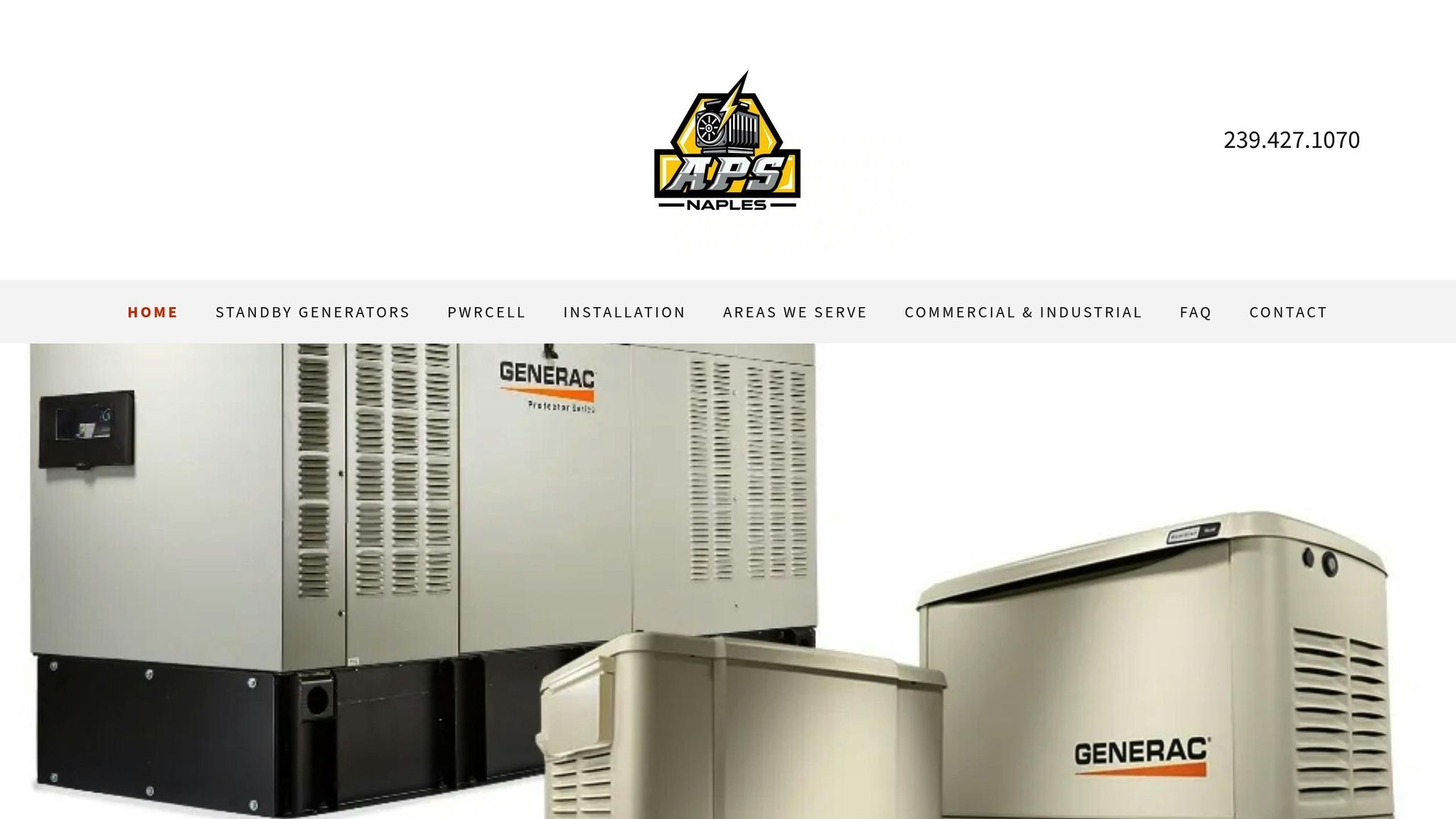
Generac generators in Southwest Florida face unique challenges due to the region’s demanding climate. To ensure these systems operate at their best, APS Naples offers professional maintenance plans that go beyond basic DIY care. These plans are designed to provide an extra layer of reliability, addressing issues that routine upkeep might miss.
Available Maintenance Plans
APS Naples offers a range of maintenance plans tailored to both residential and commercial clients. For added convenience, optional remote monitoring services are also available.
Why Choose Professional Maintenance?
Opting for professional maintenance with APS Naples ensures your generator stays compliant with warranty requirements while tackling the specific environmental challenges of Southwest Florida. These plans not only include regular maintenance but also offer emergency technical support, giving you peace of mind when it matters most.
Tailored Plans for Homes and Businesses
Every home and business has different power needs, and APS Naples recognizes that. Their maintenance plans are customized to meet the specific requirements of homeowners and businesses throughout Greater Collier County, whether you’re looking to cover a whole-home system or critical operational needs.
Conclusion and Key Takeaways
Keeping your backup power system in top shape requires consistent attention and care. Below are the main points to ensure your generator stays reliable and ready when you need it most.
Why Regular Generator Maintenance Matters
Routine maintenance isn’t just about keeping your generator running – it’s about maximizing efficiency, cutting down on fuel costs, and extending the life of your equipment. In Southwest Florida, where the climate can be harsh, regular upkeep is especially crucial. Salt air can cause corrosion, and high humidity can lead to moisture-related damage. Addressing these issues through preventive care is far more affordable than scrambling for emergency repairs during storm season when both parts and technicians might be hard to find. Most importantly, a well-maintained generator ensures uninterrupted power for critical systems like air conditioning, refrigeration, and even medical devices. These benefits highlight the importance of expert maintenance, like the services offered by APS Naples.
How APS Naples Can Help
APS Naples recognizes the unique challenges Southwest Florida residents face, especially during hurricane season and summer storms. Their professional maintenance services are designed to meet the specific needs of Generac standby generators in this region. With tailored plans for both residential and commercial clients, they ensure your generator gets the care it needs based on your usage and local conditions. Routine inspections and timely part replacements are key to avoiding costly breakdowns, and APS Naples’ licensed technicians excel at identifying and addressing issues before they escalate. For added peace of mind, they also offer optional remote monitoring services, allowing their team to keep an eye on your generator’s performance and address concerns proactively.
What to Do Next
Don’t wait until a storm is on the horizon – take action now to secure your backup power. Schedule a consultation with APS Naples to evaluate your system and create a maintenance plan tailored to your needs. Experts recommend servicing your generator at least twice a year, ideally before hurricane season and again in late summer to prepare for weather-related impacts.
Check your maintenance records to ensure your system is being serviced at the right intervals. APS Naples can help you establish a schedule that works for your budget and usage patterns. Be sure to keep thorough records of all services performed, parts replaced, and upcoming maintenance. This documentation not only helps track your generator’s performance over time but also ensures everything is in order when you need it most.
FAQs
What steps can I take to protect my generator from corrosion and moisture in Southwest Florida’s humid climate?
To keep your generator in good shape amidst Southwest Florida’s humid climate, it’s essential to guard it against corrosion and moisture. Start by ensuring the area around the generator stays clean and free of debris like leaves and dirt, which can trap moisture and cause damage.
Invest in a weather-resistant cover specifically designed for generators. This will help protect it from rain and humidity while still allowing proper airflow to prevent overheating.
Make it a habit to inspect your generator regularly for any signs of rust or wear. If you spot any, applying an anti-corrosion spray to the metal parts can help extend its life. Consistent maintenance like this will prepare your generator to handle the region’s tough weather and keep it running smoothly.
Why should I hire a professional for generator maintenance instead of doing it myself?
Hiring a professional for generator maintenance means your system gets the attention of someone who knows exactly what they’re doing. With the right tools and expertise, they can spot potential problems that might slip past if you’re doing it yourself. This can save you from expensive repairs and the frustration of unexpected breakdowns.
Experts also follow detailed maintenance routines that are specifically designed for your generator model and take into account local factors – like the heat and humidity in Southwest Florida. This approach not only helps your generator last longer but also ensures it’s ready to perform reliably when you need it most.
Why is it important to keep detailed maintenance records for my generator?
Keeping thorough maintenance records is a smart move for keeping your generator in top shape and safeguarding your warranty coverage. These records allow you to track all routine inspections, repairs, and servicing, ensuring your generator stays reliable and ready to perform when it matters most.
On top of that, many warranties demand proof of consistent maintenance to stay valid. By documenting every service or repair, you not only avoid potential warranty disputes but also catch minor issues early – saving yourself from expensive repairs or sudden breakdowns later on.