

Living in Florida means dealing with frequent power outages caused by hurricanes, tropical storms, and extreme weather. These disruptions can last days or even weeks, impacting your safety, comfort, and daily life. The best way to stay prepared is by investing in a reliable backup power system. Here’s what you need to know:
- Standby Generators: Automatically restore power to your home within seconds. They connect to natural gas or propane and are ideal for long outages.
- Battery Backup Systems: Quiet and eco-friendly, these systems store energy for short-term outages and pair well with solar panels.
- Hybrid Systems: Combine solar panels, battery storage, and generators for a layered approach to power reliability.
Each option has unique benefits and costs, with standby generators starting around $3,500 and battery systems ranging from $10,000 to $20,000. Professional installation and regular maintenance ensure your system is ready when you need it most. Whether you choose a generator, battery, or hybrid solution, staying ahead of Florida’s unpredictable weather is key to protecting your home and family.
Powering Up South Florida: An Education on Generators for Your Home
Standby Generators: Features and Benefits
When Florida’s unpredictable weather rolls in, standby generators provide a dependable way to keep your home powered. These systems are permanently installed outside your home and directly connected to your electrical setup. The best part? They kick in automatically when the power goes out.
How Standby Generators Work
Here’s a quick breakdown of how these systems operate during a power outage. An automatic transfer switch (ATS) continuously monitors your home’s electricity. The moment it detects an outage, it shifts the power source from the grid to the generator – usually within seconds. This process doesn’t require any manual effort.
Many models come with smart circuit management, which prioritizes powering essential parts of your home. Whether you need to keep the entire house running or just critical systems, these generators adapt to your needs. This smooth transition is a lifesaver during Florida’s unpredictable storms.
Key Benefits of Generac Standby Generators
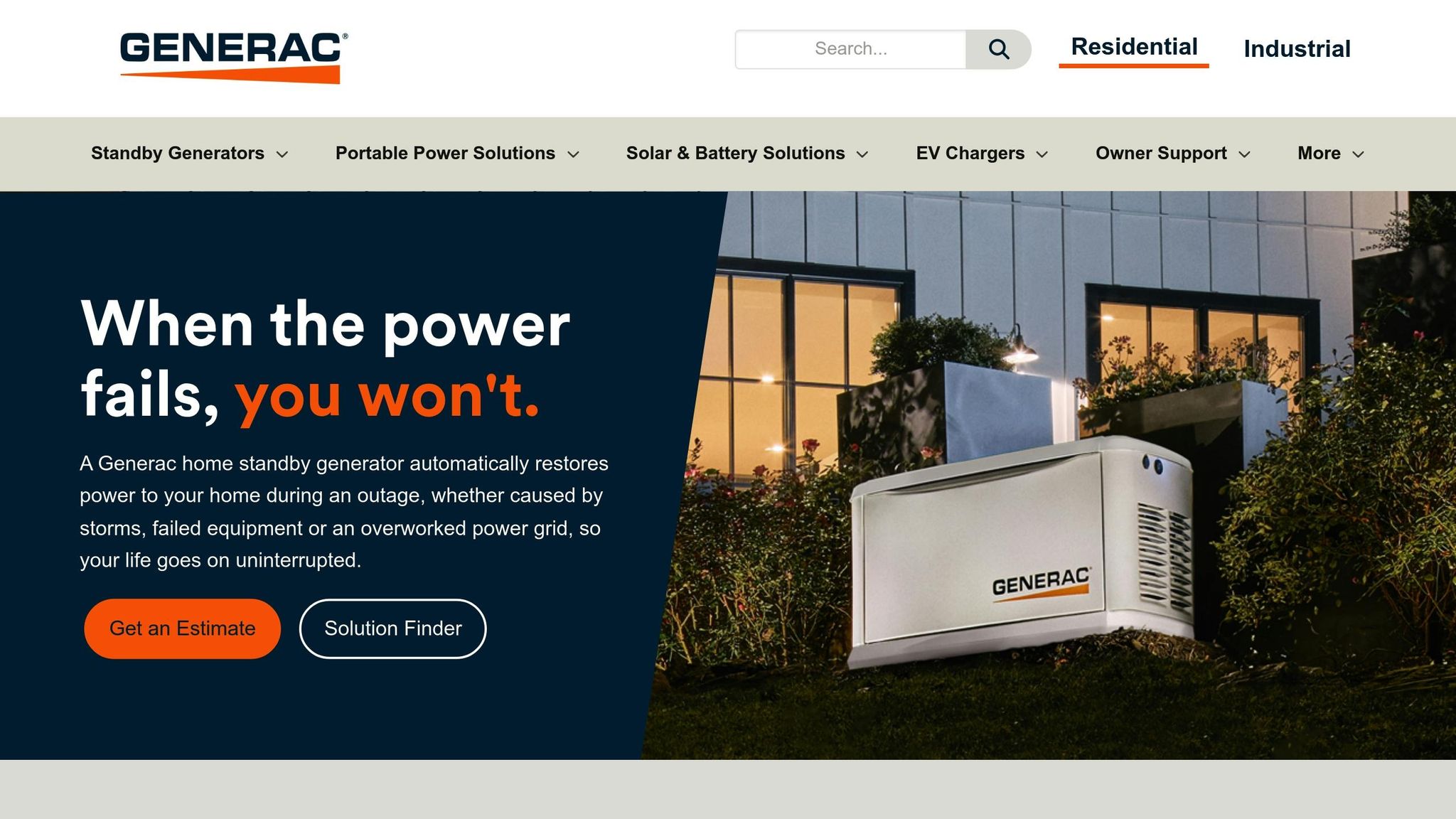
Generac standby generators shine when it comes to handling Florida’s harsh weather conditions. After major storms like Irene and Sandy, sales of home generators jumped by 45%, highlighting how essential they’ve become during widespread outages.
One of the biggest advantages of Generac systems is their automatic operation. Unlike portable generators that require setup, these systems turn on by themselves – meaning you don’t have to step outside in dangerous weather. They also offer fuel flexibility, running on either natural gas or propane. Natural gas connects directly to your home’s gas line for uninterrupted fuel, while propane provides a solid backup option if natural gas service is disrupted.
Generac generators are built to handle Florida’s extreme weather, from hurricanes to severe storms. Many models even feature remote monitoring through smartphone apps, so you can check your generator’s status without stepping outside.
Professional Installation and Maintenance Requirements
To get the most out of a standby generator, professional installation and regular maintenance are non-negotiable. Installation involves more than just plugging it in. Experts will assess your property, determine the right generator size, secure permits, and conduct thorough testing. They’ll also train you on how to operate the system.
Routine maintenance – like oil changes, filter replacements, and battery checks – is key to keeping your generator storm-ready. Many homeowners choose maintenance plans that include scheduled service and priority support during storm season. Considering that severe weather causes over 80% of major power outages in the U.S., a well-installed and maintained standby generator is your best defense against being left in the dark.
Home Battery Backup and Hybrid Solutions
Expanding on the advantages of traditional generators, hybrid systems take energy reliability to the next level. In the past, many Florida homeowners relied solely on standby generators. Today, hybrid solutions – combining solar panels, battery storage, and generators – provide a more dependable way to maintain power during outages. With Florida experiencing more frequent and severe power disruptions, these systems not only protect homes but also simplify energy management.
Benefits of Home Battery Backup Systems
Home battery backup systems offer a quiet and eco-friendly alternative to traditional generators during power outages. These systems store energy by charging from your home’s electrical supply or solar panels, ensuring power is available when the grid goes down. They are particularly effective for short-term outages, delivering instant power without the noise or emissions of gas-powered generators. Plus, their smooth, silent operation helps safeguard sensitive electronics from power surges or interruptions.
Hybrid Solutions for Energy Independence
Hybrid systems combine the strengths of solar panels, battery storage, and generators to deliver uninterrupted power. During the day, solar panels produce clean energy, while battery storage handles short-term outages. For extended disruptions, the generator kicks in as a reliable backup. This layered approach is especially useful during Florida’s hurricane season, where prolonged power outages are common.
If you’re considering a hybrid system, local professionals can help design a solution tailored to your specific needs.
APS Naples‘ Backup Solution Services
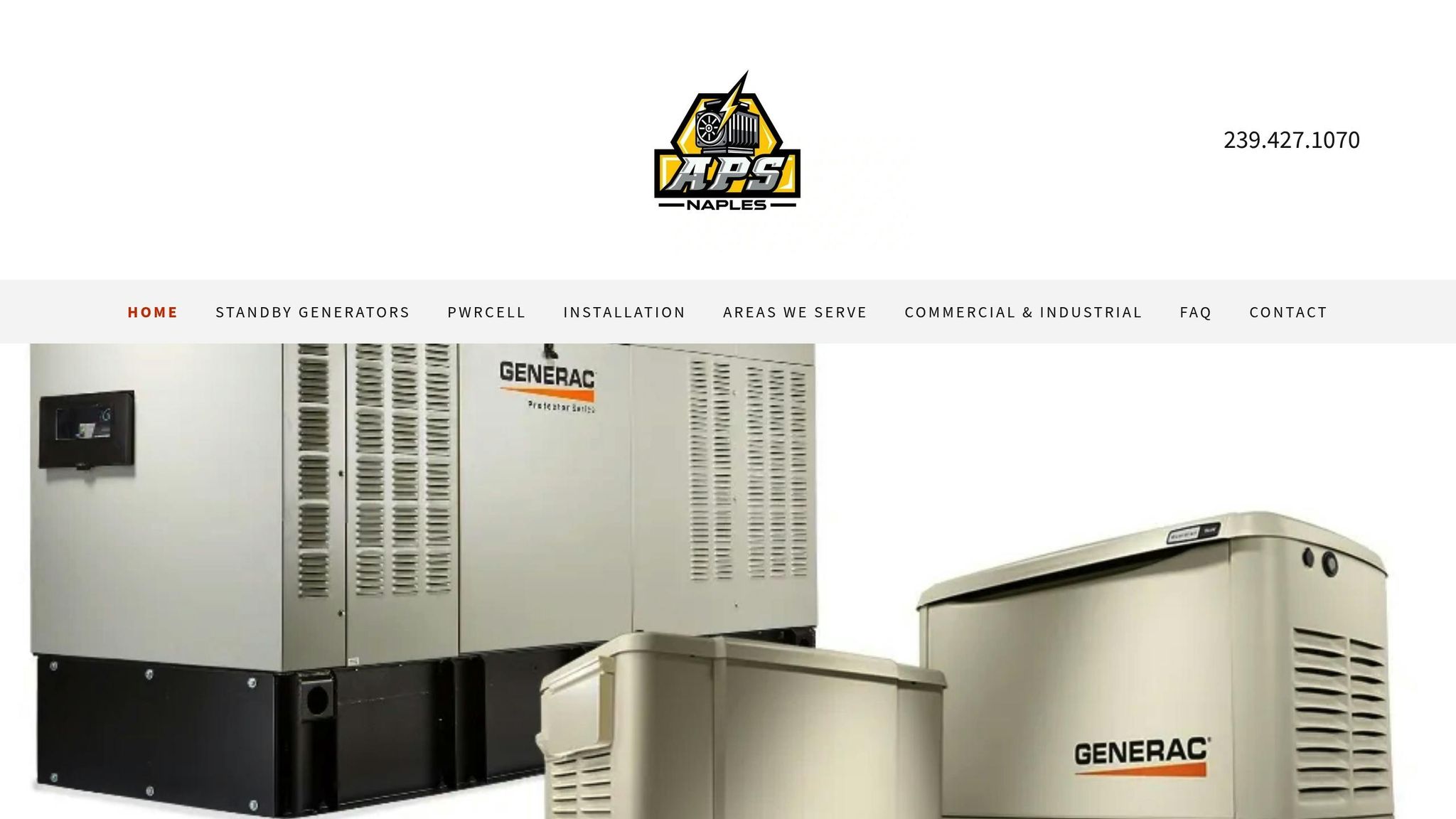
APS Naples specializes in creating custom hybrid energy systems designed to tackle the unique power challenges of Southwest Florida. By integrating PWRcell battery storage with Generac generators, they deliver solutions that meet critical energy demands.
Their process starts with a detailed evaluation of your home’s energy requirements and layout to determine the best system setup. APS Naples handles every step of the installation process, from securing permits to completing electrical connections and integrating all system components. They also provide hands-on training, so you’ll know exactly how to operate and monitor your system.
To keep your system running smoothly, APS Naples offers maintenance plans that include regular battery health checks, generator servicing, and thorough system testing. These services ensure your hybrid backup system is always prepared to perform when you need it most.
sbb-itb-f7f5bf2
Choosing the Right Backup Power Solution
Selecting the right backup power system is all about understanding your needs and weighing your options. With about one in four American households experiencing a power outage each year, according to the U.S. Census Bureau, having a reliable backup plan is key to staying safe and comfortable during these interruptions.
Factors to Consider
The size of your home plays a big role in determining your power needs. If you’re looking for whole-home backup, start by adding up the wattages of essential devices you want to keep running during an outage. Experts suggest choosing a generator that provides 20% more power than your estimated needs, as many homeowners underestimate their requirements.
Focus on critical appliances first – refrigerators, medical equipment, HVAC systems, and lighting should take precedence over non-essential items. In Florida, where the hot and humid climate makes air conditioning vital, prolonged outages during hurricane season can significantly increase power demands. While the U.S. Energy Information Administration reported an average of five and a half hours of power interruptions in 2022, Florida often sees much longer outages during storm season.
Budgeting is another important step. Standby generators typically cost between $3,500 and $6,000 for the unit, with installation adding anywhere from $1,500 to $15,000, depending on complexity. Battery backup systems are pricier, ranging from $10,000 to $20,000, while portable generators are more affordable, costing between $400 and $2,700.
Fuel availability is also critical, especially during widespread outages. Natural gas is a reliable option for standby generators since its supply is rarely disrupted during storms. Propane tanks are another dependable choice, whereas gasoline for portable units might be harder to find during emergencies.
Backup Power Options Comparison
Each backup power option comes with its own strengths and limitations, so it’s important to match the solution to your specific needs.
Standby generators are ideal for whole-home power and convenience. For example, the Generac Guardian 22-kW system, priced between $6,709 and $6,839 (including a transfer switch), automatically powers your home and runs on natural gas or propane. These units are designed to last 20 to 30 years with proper maintenance, making them a reliable long-term investment. They operate quietly and don’t require manual refueling, as they connect to continuous fuel supplies.
Portable generators are a more budget-friendly option. Models like the Generac GP9500E Tri-Fuel, priced between $1,110 and $1,359, or the iQ3800 Dual Fuel Inverter Generator, costing $1,049 to $1,149, offer flexibility. However, they require manual startup, frequent refueling, and are noisier compared to standby units.
Battery backup systems are known for their quiet operation and lower environmental impact. While they have higher upfront costs, they save on fuel and maintenance in the long run. These systems are best suited for powering essential circuits or as part of a hybrid solution, as they don’t provide enough power for whole-home needs.
Hybrid systems combine solar panels, battery storage, and generators, offering a comprehensive solution for energy independence. While the initial investment is higher, these systems are well-suited for Florida’s unpredictable weather and provide reliable, long-term power.
Professional Services for Backup Power Selection
Once you’ve explored your options, professional assessments can help fine-tune your decision. Site surveys evaluate your home’s energy needs, existing electrical setup, and overall power usage to create a customized solution. This helps determine whether you need full-home coverage or just essential circuit backup.
Custom sizing ensures your system is neither too weak nor unnecessarily expensive. Professionals analyze your electrical panel and cooling demands – especially important in Florida’s hot summers – to recommend the right equipment.
Code compliance services handle permits, inspections, and ensure your system meets local regulations, including noise and emissions guidelines. This is especially helpful for homes in areas with homeowners associations or historic district rules.
APS Naples offers a full range of services, from home evaluations to installation, training, and maintenance. They manage permits, fuel connections, and system integration to ensure everything runs smoothly. Their professional approach minimizes costly mistakes and guarantees your backup power system is ready when you need it most.
Maintaining Efficiency and Storm Preparedness
The reliability of your backup power system hinges on proper maintenance. With Florida’s hurricane season stretching from June through November, keeping up with regular maintenance and storm preparations is key to ensuring uninterrupted power and avoiding costly emergency repairs.
Keeping Your System Ready
Follow the manufacturer’s maintenance guidelines to keep your backup system in top shape. For generators, conduct routine checks every six months, while battery systems should be inspected annually. During these checks, pay attention to oil levels, air filters, fuel lines, and battery terminals. Ensure all electrical connections are secure and update the system software as needed. It’s also a good idea to train family members on basic system operations to handle emergencies confidently. Before storm season begins, test your system to confirm it’s ready for harsh weather conditions.
Preparing for Florida’s Storm Season
Florida’s storm season demands extra vigilance. Begin your storm readiness checklist in early May to stay ahead. Test your backup system under a full load for at least 30 minutes to identify issues with transfer switches, fuel delivery, or battery capacity.
Fuel management is equally important. For natural gas generators, confirm your utility provider has your updated contact details. If you use propane, check tank levels and schedule refills to ensure you have enough fuel to weather potential outages. Having a sufficient fuel reserve can make all the difference during widespread power disruptions.
Companies like APS Naples offer pre-season inspection services to help you prepare. These services include thorough system testing, fuel system checks, and software updates. Their technicians can pinpoint potential problems before the storm season begins and ensure your permits and inspections comply with local codes.
Using Smart Technology for Better Efficiency
In addition to physical maintenance, smart technology can enhance the reliability of your backup system. Upgrades like mobile apps and AI-driven tools transform backup systems into efficient energy managers. Apps such as Enphase IQ Battery 10C and Tesla Powerwall 3 provide real-time insights into energy production, consumption, and battery status. Advanced solutions like EcoFlow’s OCEAN Pro use AI to optimize energy use, adjusting thermostats, dimming lights, and prioritizing essential circuits. With remote monitoring, you can stay informed and in control at all times.
Conclusion: Power Security for Florida Homeowners
Florida’s unpredictable weather makes having a dependable backup power system a must to avoid lengthy outages and keep essential home functions running smoothly.
To ensure your system is ready when you need it most, regular maintenance is key. This includes routine checks and servicing to keep everything in top shape. Pairing your backup power solution with a well-thought-out emergency plan can also enhance your preparedness for disasters.
Beyond maintenance, proper installation plays a huge role in how well your system performs. It’s important to work with experienced local professionals who understand Florida’s specific building codes, weather challenges, and utility requirements. For instance, companies like APS Naples handle every detail – from conducting site surveys and placing equipment correctly to securing permits and performing in-depth system testing. Their expertise ensures your system meets local standards and operates efficiently.
With consistent care and expert installation, you’ll have the reliable power you need to weather Florida’s storms with confidence and peace of mind.
FAQs
What’s the difference between standby generators, battery backup systems, and hybrid systems for Florida homes?
Standby generators are permanently installed systems designed to kick in automatically during a power outage. They provide consistent energy to your home without the need for any manual action, which is especially beneficial for Florida homeowners who face frequent storms and hurricanes.
Battery backup systems, on the other hand, store electricity for emergency use. They’re generally quieter and more environmentally friendly compared to generators. However, they’re better suited for shorter outages, as they may not supply enough power for extended periods.
Hybrid systems offer a mix of both options, combining the dependability of a generator with the cleaner energy of battery storage. This setup ensures steady power while cutting down on fuel use, making it a flexible choice for homeowners seeking a reliable energy solution.
How do I choose the right backup power system for my Florida home?
To find the best backup power system for your Florida home, start by taking a close look at your energy needs. Identify the key appliances and systems you’ll want to keep running during a power outage – things like air conditioning, refrigerators, or essential medical equipment. This step will help you figure out the power capacity you’ll need.
Then, consider the type of system that suits your home and lifestyle. Standby generators, such as those from Generac, are a common choice for providing dependable, automatic power during storms or outages. It’s also a good idea to think ahead about any potential increases in energy use, like home expansions or added appliances, to ensure your system can handle future demands.
For precise sizing and proper installation, it’s smart to work with a professional. They can evaluate your home’s specific needs and recommend the right solution, keeping Florida’s unique weather challenges in mind.
What maintenance steps should I take to keep my backup generator ready for Florida’s hurricane season?
To keep your backup generator ready for Florida’s hurricane season, regular upkeep is a must. Begin by checking the oil and fuel levels, topping them off or replacing them as necessary. Always use fresh fuel to avoid problems caused by stale gasoline. Don’t forget to inspect the air filter – clean it or swap it out if it’s dirty.
It’s also a good idea to run your generator occasionally, even when storms aren’t in the forecast, to ensure the engine stays in good shape. Check the battery and its connections to confirm they’re secure and free of corrosion. Lastly, arrange for a professional inspection once a year. This step can help catch hidden issues and ensure your generator is in peak condition when you need it most.