

When hurricanes hit, power outages can last days or even weeks, especially in regions like Southwest Florida. The power grid, while reliable under normal conditions, often fails during storms due to high winds, flooding, and aging infrastructure. Standby generators offer a reliable alternative, automatically restoring power within seconds and keeping essential systems running.
Key Takeaways:
- Hurricane Impact: Hurricanes cause 70% of U.S. weather-related outages, with some lasting over 10 days.
- Power Grid Weaknesses: Vulnerable to wind, flooding, and outdated equipment, leading to prolonged restoration times.
- Generator Benefits: Standby generators provide immediate power, support critical appliances, and reduce reliance on repair crews.
- Costs: Installing a generator costs $5,000–$15,000, with annual maintenance around $200–$400.
For hurricane-prone areas, investing in a generator ensures safety, comfort, and continuity during outages. Pairing generators with battery storage systems further strengthens power reliability.
Which Generator is Best for Storms and Power Outages
How the Power Grid Performs During Hurricanes
When hurricanes strike, the power grid – typically boasting a 99.97% reliability rate – can become surprisingly fragile. This vulnerability sheds light on why many residents in Southwest Florida are increasingly turning to backup power options. Let’s dive into the specific weak points, challenges in restoration, and the broader concerns about the grid’s durability.
Power Grid Weak Points
Hurricanes wreak havoc on the grid’s most vulnerable components. Winds exceeding 74 mph can snap power lines and bring down utility poles, particularly those not designed to withstand such intense forces. Transmission lines, critical for moving electricity across regions, often suffer significant damage during these storms.
Flooding and storm surges add another layer of destruction. Substations – key facilities that regulate voltage and distribute electricity – are frequently located in low-lying areas. When these sites flood with saltwater, it can trigger short circuits and permanently damage transformers and switching equipment. In many cases, this damage requires complete replacement, not just repairs.
Aging infrastructure makes these problems worse. Much of Southwest Florida’s power grid was built decades ago, during an era when hurricanes were less intense. Today’s storms push this older equipment beyond its limits. Additionally, Florida’s lush vegetation poses risks; trees, even healthy ones, can topple in waterlogged soil during hurricane-force winds, disrupting power for thousands.
Power Restoration Times
Restoring power after a hurricane can take time, often depending on the extent of the damage and available resources. Utilities generally aim to bring electricity back within 7 to 10 days after a major storm, but this timeline can stretch when the infrastructure damage is severe.
For example, after Hurricane Ian, some Southwest Florida residents had power restored within a few days, while others in the hardest-hit areas waited over two weeks. Utilities prioritize critical infrastructure – hospitals, emergency services, water treatment plants, and communication towers – before moving on to residential neighborhoods. However, blocked roads, flooding, and limited equipment or workforce can delay progress.
A similar situation occurred after Hurricane Ida in Louisiana in 2021. Entergy Louisiana managed to restore power to 95% of its customers within 10 days, but some areas faced extended outages due to severe transmission line damage.
Grid Durability Issues
The grid’s long-term durability is another pressing concern, especially as hurricanes grow stronger and more frequent. NOAA predicts an 85% chance of above-average hurricane activity during severe seasons, putting additional pressure on an already aging infrastructure.
Climate change is amplifying these challenges. Hurricanes are not only intensifying but also lingering longer as they move inland, exposing areas once accustomed to milder impacts to the full force of these storms. Southwest Florida’s power grid, built for past weather patterns, is now being pushed beyond its original design.
The National Renewable Energy Laboratory (NREL) has raised concerns about how the grid will fare in an era of extreme weather. As renewable energy sources like wind and solar become more prevalent, planners must address the fact that these resources may be unavailable during and after major storms.
Efforts to strengthen the grid are underway, but progress is slow. For instance, burying power lines – an effective way to protect them from wind – is 5 to 10 times more expensive than overhead installation. Similarly, elevating substations and using stronger materials can improve resilience but require significant investment.
The financial toll of grid failures is also growing. Hurricane-related outages lead to longer recovery times – about 15% longer on average – and drive up electricity costs by 43% in affected areas compared to other weather-related disruptions. These challenges highlight why backup power solutions are becoming a necessity during hurricane season.
Standby Generator Performance During Hurricanes
When hurricanes strike, the grid often struggles to keep up, exposing its vulnerabilities. Standby generators, however, step in to fill the gap, offering a dependable power source tailored for such emergencies. These systems activate automatically when the grid fails, ensuring homes and businesses remain powered.
How Standby Generators Work
Standby generators are permanently connected to your home’s electrical system through an automatic transfer switch (ATS). When an outage occurs, the ATS detects it and starts the generator within 10–30 seconds, powering essential appliances like lights, refrigerators, air conditioning, and medical equipment. The system prioritizes critical circuits, so you don’t have to worry about manually managing power distribution.
This hands-free operation is particularly valuable during hurricanes, when it might be unsafe – or outright impossible – to operate a portable generator. In commercial settings, the quick activation of standby generators helps keep businesses, hospitals, and emergency services running smoothly during prolonged outages.
Fuel Types and Runtime
The fuel type powering your generator plays a huge role in how long it can sustain operations during extended outages. Natural gas generators, for example, connect directly to utility lines, offering a continuous fuel supply as long as the pipeline remains intact. This setup allows them to run indefinitely without the need for manual refueling – a major advantage during multi-day power outages.
For comparison:
- Natural gas generators: Can run continuously with a stable pipeline supply.
- Propane generators: A 500-gallon tank can power a 20 kW generator for several days at moderate load, with the fuel stored on-site.
- Diesel generators: Common in commercial applications, they require manual refueling but provide significant power output for extended periods.
However, fuel supply isn’t foolproof. During Hurricane Sandy in 2012, some New Jersey residents with natural gas generators experienced outages when utilities shut off gas lines for safety reasons, highlighting a potential weakness in this otherwise reliable system.
Professional Installation and Maintenance
The performance of a standby generator during hurricanes depends not just on fuel but also on proper installation and maintenance. Installing a generator involves detailed steps like site surveys, custom sizing, secure electrical connections, fuel line setup, and adherence to local building codes.
Take, for instance, APS Naples in Southwest Florida. In 2023, they installed a Generac standby generator for a residential client that maintained uninterrupted power throughout Hurricane Idalia. Their approach included a thorough site assessment, precise sizing to meet the home’s needs, and a maintenance plan to ensure the generator operated flawlessly during the storm.
Accurate sizing is critical. An undersized generator won’t support essential systems, while an oversized one wastes fuel. Companies like APS Naples conduct detailed power assessments, handle permits and inspections, and provide ongoing maintenance to ensure systems are storm-ready.
Regular upkeep is equally essential to avoid generator failures. Tasks like oil changes, filter replacements, and system checks should be done at least once a year. APS Naples offers maintenance plans that cover these essentials, along with emergency support to ensure generators activate as they should when storms hit.
"Natural gas generators provide the best solution for homeowners looking for reliability during hurricanes, as they can run indefinitely with a continuous supply." – Jack Frye, Owner of APS Naples
Investing in professional installation and maintenance can make all the difference during emergencies. Avoiding even a week of power loss during a hurricane can save tens of thousands of dollars in lost revenue and prevent the chaos and hazards that come with extended outages.
sbb-itb-f7f5bf2
Generators vs. Power Grid: Direct Comparison
When hurricanes threaten Southwest Florida, deciding between standby generators and the power grid becomes a crucial consideration for both homeowners and businesses. Each option comes with its own set of pros and cons, influencing factors like safety and cost.
Key Comparison Points
Generators kick in almost instantly during power outages, boasting an uptime of around 99.9% during these events. On the other hand, the power grid typically maintains a high reliability rate of about 99.97% under normal circumstances. But during hurricanes, the grid’s infrastructure is highly susceptible to damage, leading to outages that can last for days or even weeks.
Thanks to automatic transfer switches, generators can restore power within 10–30 seconds. This is a stark contrast to the 5–7 days (or longer) often required for grid repairs after major storms. This rapid response ensures that critical systems remain operational without relying on external repair teams.
When professionally installed, generators can also mitigate risks, such as carbon monoxide exposure, while avoiding the hazards often associated with damaged grid infrastructure.
Costs and Long-Term Considerations
The financial side of the decision includes both upfront and ongoing expenses. Installing a standby generator for a home typically costs between $5,000 and $15,000, covering the generator itself, professional installation, permits, and fuel setup. While this initial investment may seem steep, the long-term benefits often outweigh the costs. Generators can increase property value and may even qualify homeowners for insurance discounts.
Now, think about the potential costs during a prolonged outage. Spoiled groceries could set you back $200–$500, hotel stays might cost $150–$300 per night, and lost business revenue could reach thousands of dollars. Over the course of a week-long outage, these expenses can easily add up to $2,000–$5,000, making a backup generator a practical financial safeguard for those in hurricane-prone areas.
Ongoing costs include annual maintenance, typically $200–$400, fuel expenses during outages, and occasional repairs. Natural gas generators tend to be more economical since they connect directly to utility lines, while propane systems may require refills costing $100–$300, depending on usage.
For a clearer breakdown, here’s a side-by-side comparison:
Side-by-Side Comparison Table
| Feature | Standby Generators | Power Grid During Hurricanes |
|---|---|---|
| Uptime | Immediate restoration; ~99.9% during outages | ~99.97% under normal conditions; prone to long outages during storms |
| Coverage | Whole house or critical circuits (customizable) | Universal when operational |
| Restoration Speed | 10–30 seconds (automatic) | 5–7 days average (manual repair) |
| Safety | Professional installation required; CO risk management | Safe under normal conditions; outages disrupt critical systems |
| Fuel Dependency | Yes (natural gas, propane, diesel) | Not applicable, but infrastructure is vulnerable |
| Initial Costs | $5,000–$15,000 (includes installation) | None |
| Ongoing Costs | $200–$400 annually, plus fuel costs during outages | Regular utility bills and potential outage-related expenses |
| Self-Reliance | High (user-controlled power supply) | Low (dependent on utility crews) |
| Insurance Benefits | Possible discounts and increased property value | Not applicable |
| Maintenance Requirements | Annual servicing needed | Managed by the utility provider |
These comparisons highlight the limitations of the power grid during hurricanes and showcase the reliability of standby generators. While the grid is a cost-effective and dependable option in normal conditions, it often falters during storms when backup power is most critical. Generators, despite their upfront costs, provide an unmatched level of reliability during these emergencies.
Local experts at APS Naples, who specialize in installing Generac standby generators, EV chargers, and PWRcell battery storage systems in Southwest Florida, have noted that their clients greatly value the peace of mind and uninterrupted power these systems provide. This is especially crucial for families with medical needs and businesses that rely on continuous power during hurricane season.
Other Backup Power Options and Storm Prep
When hurricanes threaten, having a solid plan for backup power can make all the difference. While generators and the grid are key players, pairing them with additional solutions like battery storage can provide an even stronger safeguard against outages.
PWRcell Battery Storage for Solar Systems
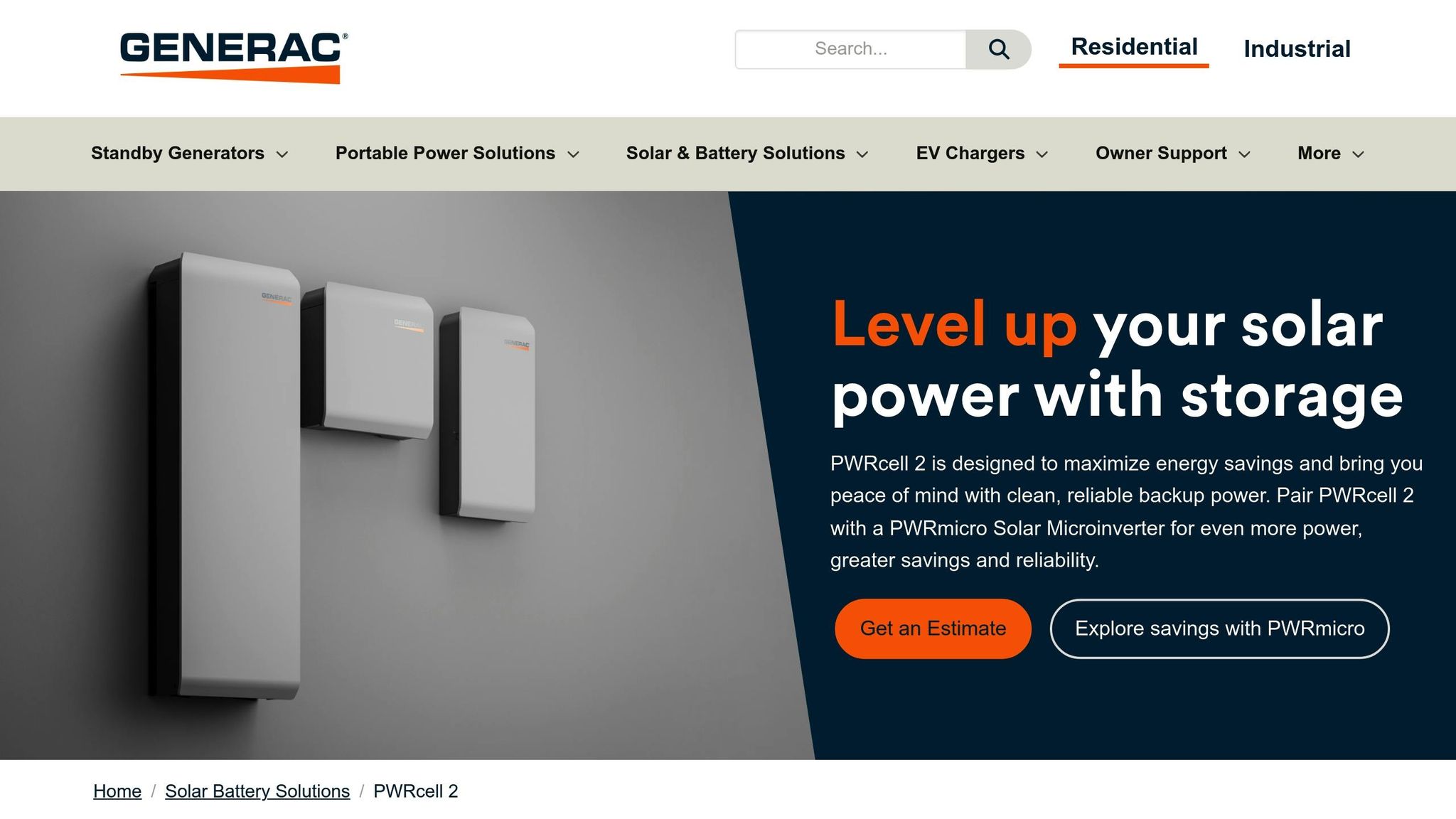
For homeowners in Southwest Florida, especially those with solar panels, PWRcell battery storage systems offer a smart way to enhance energy reliability. These batteries store energy from solar panels or the grid, making it available during power outages caused by storms.
One standout feature? PWRcell batteries can recharge using solar energy during the day, creating a self-sustaining cycle that doesn’t rely on fuel deliveries or utility repairs.
"Solar-ready batteries for storm power and smart energy use. Perfect for our sunny, stormy Southwest Florida days."
These systems work seamlessly with standby generators, reducing the generator’s runtime and emissions. Batteries handle smaller, immediate power needs quietly and without fumes, while generators step in to power larger loads or provide extended support when the batteries run low. Together, they create a reliable, continuous power solution.
Unlike traditional generators that sit idle until an outage occurs, PWRcell systems offer year-round benefits. They help manage energy costs and store surplus solar energy, turning them into a practical investment that goes beyond emergency use. By combining cutting-edge backup systems with thoughtful storm prep, you can better protect your power supply when the next hurricane hits.
Hurricane Preparation Tips
Backup systems are only as good as the preparation behind them. Thoughtful planning ensures your equipment is ready to perform when it matters most.
- System Testing and Maintenance: Schedule annual generator maintenance and keep battery systems fully charged. Clean and inspect solar panels to ensure they’re unobstructed. Test all backup systems during calm weather to catch any issues that might need professional attention.
- Fuel Planning: Stock up on fuel ahead of time, considering potential supply disruptions during and after storms.
- Safety First: Follow all safety guidelines. Never run generators indoors or in enclosed spaces to avoid carbon monoxide poisoning. Keep equipment elevated to protect it from flooding, and use transfer switches to prevent backfeeding electricity into the grid, which could endanger utility workers.
- Professional Installation and Training: Work with trusted professionals like APS Naples to ensure your systems are installed correctly. This includes proper pad placement, secure fuel connections, accurate wiring, and obtaining all necessary permits and inspections.
- Pre-Storm Checklist: When a hurricane watch is issued, charge batteries, check fuel levels and connections, and secure outdoor items that could damage equipment. Review emergency procedures with family or employees, and have contact information for your installation and maintenance provider on hand.
Combining professional installation, regular maintenance, and proactive preparation creates a strong defense against storm-related outages. Whether you rely solely on a generator or pair it with battery storage, being ready for hurricanes is essential for protecting Southwest Florida’s power needs.
Conclusion: Picking the Right Backup Power Solution
When hurricanes loom over Southwest Florida, the decision to invest in a standby generator becomes crucial. While the U.S. power grid boasts an impressive 99.97% reliability under normal circumstances, hurricanes can disrupt this stability, leaving communities without power for days or even weeks. Standby generators offer a dependable safety net, providing immediate, on-site backup power that kicks in within seconds, keeping your home running smoothly.
The benefits of these systems go far beyond convenience. During Hurricane Irma, properties equipped with well-maintained generators were able to sustain refrigeration, lighting, and even critical medical equipment, while surrounding areas plunged into prolonged darkness. This level of reliability can mean the difference between safeguarding perishable food, ensuring life-saving equipment remains operational, and protecting vulnerable family members during extended outages.
Of course, professional installation and ongoing maintenance are key to ensuring your generator performs when needed. APS Naples specializes in delivering tailored generator solutions. From conducting site surveys and determining the right system size to handling permits, fuel setup, and maintenance, their local expertise ensures your system is designed to withstand Southwest Florida’s unique storm challenges.
"The team was professional, on time, and knew their stuff when it came to Generac. They answered all my questions, kept me updated, and made the whole process easy. It’s a good feeling knowing I can count on them."
– Matthews Dasilva
Although installing a standby generator involves an upfront cost of several thousand dollars, the long-term value becomes clear when you consider the expenses avoided during extended power outages. While relying solely on the grid might seem cheaper initially, the financial and emotional toll of being unprepared after a major storm can be far greater.
For homeowners weighing their options, it’s essential to consider factors like property size, critical power needs, budget, and local hurricane risks. Pairing a standby generator with PWRcell battery storage creates an even more resilient solution: solar energy can recharge the batteries during the day, while the generator powers larger loads or provides extended runtime when necessary. This combination offers a smarter way to stay prepared for hurricane season.
Taking action before storm season is critical. With expert installation, regular maintenance, and thoughtful planning, your backup power system will be ready to perform when the grid lets you down. Professional support ensures your family’s safety, comfort, and financial stability during the inevitable disruptions caused by hurricanes.
FAQs
How do standby generators provide safety and comfort during hurricane-related power outages?
Standby generators are a dependable solution for keeping your home powered during hurricane-related outages. These systems kick in automatically when the grid goes down, ensuring that vital functions like air conditioning, refrigeration, and lighting continue to operate. This means you can maintain safety, comfort, and normalcy even in the midst of a storm.
In Southwest Florida, APS Naples is the go-to expert for installing Generac standby generators, which are built to withstand extreme weather. With these generators in place, you can rest easy knowing that your home will have the power it needs, allowing you to focus on staying safe during hurricane season.
What are the costs and financial advantages of installing a standby generator in hurricane-prone areas?
Investing in a standby generator is a practical way to ensure peace of mind and avoid unexpected costs, especially if you live in a hurricane-prone area. While the initial expense depends on the generator’s size and type, having a professionally installed system can keep your home or business running smoothly during power outages. This can help you avoid the costs of hotel stays, replacing spoiled food, or dealing with lost productivity.
Beyond immediate convenience, standby generators can also boost your property’s value. They provide a dependable source of power to maintain comfort and safety during severe weather. With regular maintenance, these systems are built to last, offering reliable performance for years. For anyone preparing for hurricane season, they’re a worthwhile investment.
How does combining a standby generator with a battery storage system improve power reliability during hurricane season?
Pairing a standby generator with a battery storage system creates a dependable power solution during hurricane season. The generator provides steady power during prolonged outages, while the battery system takes care of short-term energy demands, cuts down on fuel usage, and ensures smooth transitions during power fluctuations.
This setup proves particularly useful during intense storms, offering both immediate backup power and extended reliability to keep your home or business operational. For those in Southwest Florida, companies like APS Naples focus on tailoring and maintaining these systems to deliver uninterrupted power, even in the toughest weather conditions.